2026 Best Foldable Container House for Global Buyers?

Time:2026-06-10 Author:Sienna
0%

The demand for Foldable Container Houses is on the rise. As urbanization accelerates, innovative housing solutions become essential. According to a recent report by Market Research Future, the global foldable container house market is projected to grow at a CAGR of 7.5% through 2026. This surge is attributed to their versatility, cost-effectiveness, and sustainable design. Experts believe that these structures can significantly address housing shortages worldwide.

John Anderson, a leading expert in modular architecture, states, “Foldable Container Houses offer a unique solution to today's pressing housing needs.” His insights highlight the potential of these units not only for homes but also for offices and emergency shelters. However, the industry faces challenges, such as building regulations and public perception.

Potential buyers should consider quality and durability when exploring options. While foldable container houses provide numerous advantages, there are concerns about long-term living conditions. Understanding material quality can guide prospective owners in making informed decisions. These factors are critical in navigating this burgeoning market.
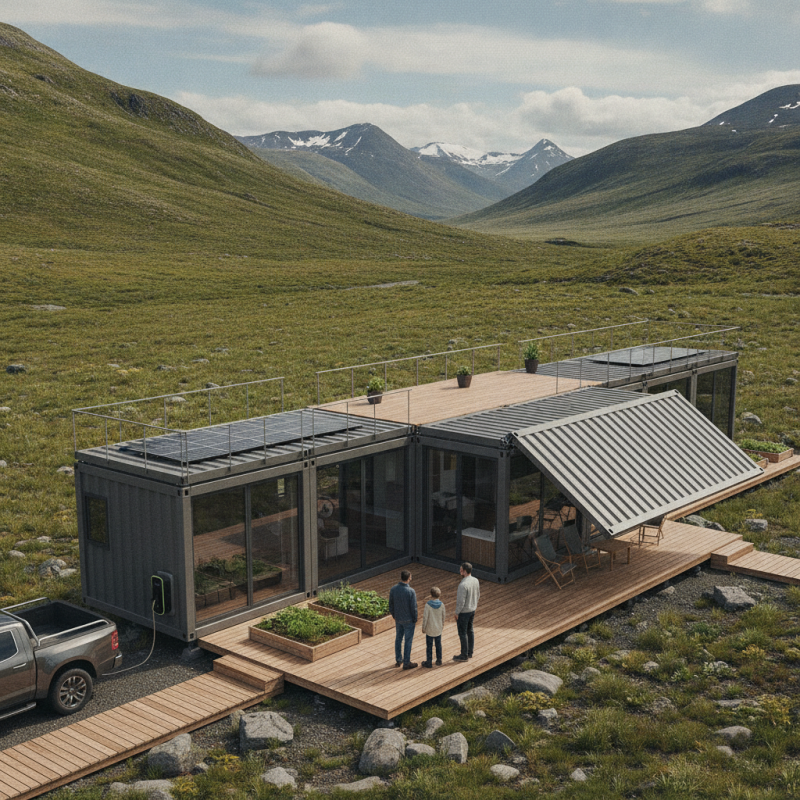
2026 Best Foldable Container House for Global Buyers?

2026 Trends in Foldable Container Houses: Market Growth and Innovations

The trend of foldable container houses is gaining momentum in 2026. Innovative designs focus on flexibility and functionality. These houses are not just affordable; they’re also eco-friendly. Many incorporate solar panels and rainwater collection systems. These features appeal to environmentally conscious buyers.

Market growth is evident as urbanization rises. Affordable housing is a challenge in many areas. Foldable containers meet this need with unique solutions. However, they still face regulatory hurdles in some regions. Zoning laws can restrict where these homes can be placed.

Quality control is another concern. Some products on the market may not meet safety standards. Buyers must do their research. Reliable suppliers and builders are essential to ensure longevity and safety. Ultimately, this sector requires vigilance to navigate potential pitfalls.

Key Features of the Best Foldable Container Houses for Global Buyers

Foldable container houses are gaining popularity among global buyers. These innovative structures combine versatility and sustainability, making them ideal for various uses. One key feature is their space-saving design. When folded, these houses require minimal storage space, which is crucial for urban settings where every square meter counts. According to a recent report by Market Research Future, the global market for container homes is expected to grow by 6.5% annually from 2021 to 2026.

Another essential aspect is durability. Most foldable container houses are made from steel, which offers strength and longevity. These houses can withstand extreme weather conditions, a significant consideration for buyers. Data from the International Organization for Standardization indicates that proper insulation can cut energy costs by up to 30%. This energy efficiency is beneficial not only for the environment but also for long-term savings.

However, challenges remain. Not all foldable houses are created equal. Some lack adequate insulation or compliance with local building codes. This presents a risk for buyers seeking reliable housing solutions. A thorough evaluation is necessary before making a purchase. Understanding the local regulations can save potential headaches down the road.

Cost Analysis: Price Comparison of Foldable Container Houses Worldwide

Foldable container houses have gained popularity for their affordability and flexibility. As global demand rises, prices vary significantly across regions. Understanding these cost differences is essential for buyers. In Europe, prices may reach $40,000 for a fully equipped unit. In contrast, options in Asia can start as low as $15,000, dependent on local materials and labor costs. This price differential reflects not only regional economic factors but also the varying standards of construction.

Many buyers find it challenging to assess the true value of these structures. Quality isn’t solely about price—materials and design matter. Some people skimp on insulation or eco-friendly elements to lower costs. This can lead to higher long-term expenses due to poor energy efficiency. Buyers need to weigh initial savings against potential future costs. Investing wisely requires careful consideration of features that impact durability and livability.

Comparative analysis shows that while initial investment varies, the long-term benefits of quality are undeniable. Choosing a foldable container house involves more than picking a low price. It requires evaluating how each option meets your needs and lifestyle. Reflecting on these aspects can lead to a better decision that balances cost and quality.

2026 Best Foldable Container House Cost Analysis

Sustainability in Foldable Container Houses: Environmental Impact Data

Foldable container houses are increasingly popular for their flexibility and efficiency. However, it's crucial to examine their sustainability credentials closely. While these homes offer quick assembly and reduced costs, we must consider their environmental impact. The production of containers involves significant energy use and resource extraction. This raises questions about their overall carbon footprint.

The materials used in foldable container houses also play a key role. Recycled and repurposed containers minimize waste, but they often come with chemical residues. Addressing this challenge requires innovative design and construction methods. It’s essential to ensure the interiors are safe and eco-friendly. Many buyers seek sustainable options, but not all foldable homes measure up.

Water management and energy efficiency are other critical factors. Effective insulation can reduce energy use significantly. However, not all designs prioritize this aspect. Further research is needed to evaluate which models truly excel in sustainability. The debate continues about balancing convenience, aesthetics, and environmental responsibility. Juggling these factors is not straightforward, but it remains essential for progress in this housing sector.

Consumer Preferences: Survey Insights on Foldable Container House Designs

Consumer preferences in housing are shifting, and the foldable container house is gaining traction. Recent surveys indicate that about 73% of potential buyers value flexibility. Many express a desire for customizable features. The ability to adapt spaces to personal needs is crucial. Research from the Modular Housing Association shows that 65% of consumers prioritize eco-friendly designs, highlighting sustainability.

Design-wise, aesthetics matter significantly. Approximately 58% of respondents prefer modern, sleek designs. Features like large windows and open floor plans attract attention. However, some consumers noted concerns about insulation and weather resistance. This raises a question about open designs and their functionality in various climates.

Tips for prospective buyers include considering local regulations regarding container homes. Understanding these rules can save time and money. Engage with architects or designers who specialize in container structures. Their expertise can guide choices and avoid common pitfalls. Also, think about storage solutions within small spaces to enhance livability.

2026 Best Foldable Container House for Global Buyers

Design Feature Preference Percentage (%) Target Market Price Range (USD)
Eco-friendly Materials 38% Sustainable Buyers 15,000 - 25,000
Contemporary Design 25% Urban Dwellers 20,000 - 30,000
Compact Size 18% Minimalists 10,000 - 20,000
Modular Design 15% Contractors 18,000 - 28,000
Customizable Interiors 4% Families 22,000 - 32,000

FAQS

: What are the price ranges for foldable container houses worldwide?

: Prices vary significantly. In Europe, they can reach $40,000, while in Asia, they start around $15,000.

How can buyers assess the true value of foldable container houses?

Value isn't just about price. Consider materials, design, and long-term durability for a wise investment.

What are the sustainability concerns with foldable container houses?

The production uses energy and resources. Assess the carbon footprint and ensure eco-friendly materials are used.

Can recycled containers have safety issues?

Yes, recycled containers might have chemical residues. Innovative designs are necessary to ensure safety and eco-friendliness.

How important is energy efficiency in foldable container houses?

Very important. Effective insulation minimizes energy use, yet not all designs prioritize this feature.

What do consumers prefer in foldable container house designs?

Many prefer flexibility and customizable features, with 73% valuing adaptability to personal needs.

Why are aesthetics important in container house designs?

Approximately 58% of consumers prefer modern designs. Features like large windows attract buyers' attention.

Are there concerns regarding insulation and weather resistance?

Yes, some consumers expressed worries about open designs performing well in various climates.

What should buyers know about local regulations for container homes?

Understanding local regulations is crucial. This knowledge can prevent potential delays and additional costs.

How can buyers enhance livability in foldable container houses?

Consider storage solutions to maximize space. Engaging with experts can help avoid design pitfalls.

Conclusion

The article titled "2026 Best Foldable Container House for Global Buyers" explores the emerging trends and innovations in the foldable container house market. It highlights significant growth predictions, emphasizing how these modular living solutions are becoming increasingly popular among consumers worldwide. Key features that attract buyers include flexibility, cost-effectiveness, and innovative designs tailored to diverse needs.

Additionally, the article provides a thorough cost analysis, comparing prices across different regions, and discusses the sustainability of foldable container houses, citing environmental impact data. Insights from consumer surveys reveal preferences for specific designs and functionalities, helping manufacturers align their offerings with market demands. Overall, the foldable container house stands out as a viable and eco-friendly housing option for the future.


Sienna

Sienna

Sienna is a skilled marketing professional with a deep expertise in our company’s core products and services. With a passion for innovation and detail, she plays a pivotal role in crafting insightful blog posts that not only highlight the unique features of our offerings but also provide valuable......